
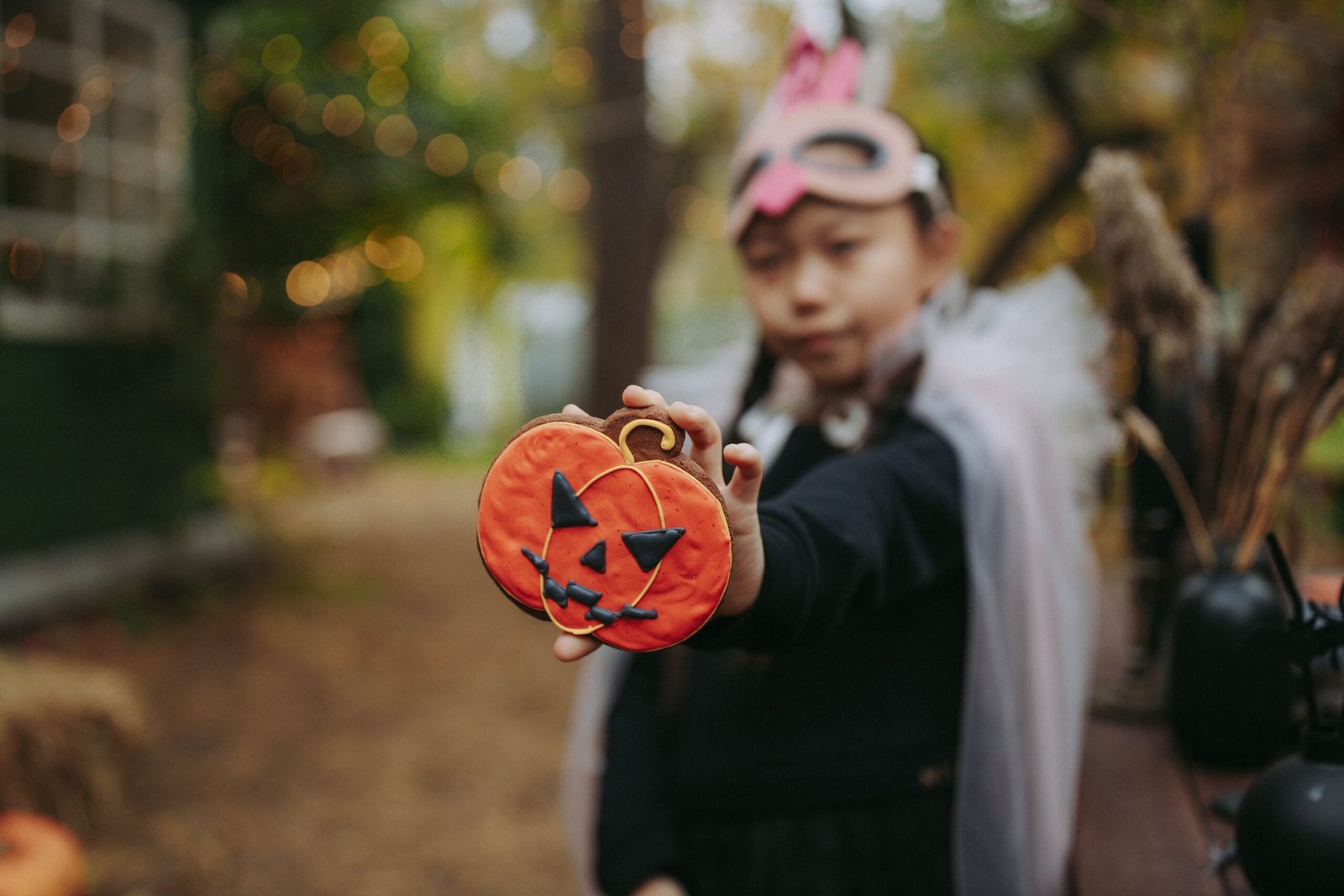
Halloween arrives on 31 October every year, and in 2026 it is on a Saturday, so the celebrations can go well past the usual bedtime. There is no public or bank holiday, which means schools and workplaces carry on as usual. It has grown into one of the biggest dates in the autumn calendar for families, shops and event organisers. Here are the questions British people ask most often.
Where does Halloween come from?
The name comes from All Hallows’ Eve, the evening before All Saints’ Day on 1 November, a Christian feast that dates back to the medieval period. Many of the costumes we link with the night also trace back to Samhain, an ancient Gaelic festival marking the end of the harvest season and the start of winter. People believed the boundary between the living and the dead grew thin at that time of year. Bonfires and disguises were part of the ritual and celebration. Historians point out that drawing a direct connection from those old practices to modern Halloween is difficult, but the connection is widely accepted.
Is Halloween an American import?
Only partly. Long before the phrase “trick or treat” became trendy, people in Britain and Ireland had their own versions of customs to celebrate the festival. There was “souling”, where people went door to door offering prayers for the dead in return for soul cakes. There was also “guising” in Scotland and Ireland, where children performed a song, poem or joke in exchange for a treat.
What the United States added was the catchphrase itself, which came with a more commercial approach and mass-produced costumes. These spread through film and television in the late twentieth century.
Why do we carve pumpkins?
The jack-o’-lantern takes its name from an Irish folk tale about “Stingy Jack”, a man who outwitted the Devil and was condemned to wander with nothing but a glowing coal inside a hollowed-out turnip. In Britain and Ireland, turnips and swedes were carved long before pumpkins entered the picture. When emigrants carried the custom to North America, they found pumpkins were bigger and far easier to carve. Today, the pumpkin has become the standard choice in the UK, and the leftover flesh translates into a good soup or pie.
What is the etiquette for trick-or-treating?
There are no laws or official guidelines, and how much a street joins in varies from one neighbourhood to the next. A lit pumpkin or a few decorations means visitors are welcome, while a dark, undecorated house means you should move on to the next. Most trick-or-treating happens in the early evening, but this year it can stretch into the night due to it being a Saturday night, and younger children should be accompanied by an adult. A friendly greeting goes a long way.
How can families stay safe?
- Stick to well-lit streets, stay in groups and be careful when crossing roads.
- Carry torches or wear reflective strips, especially with dark costumes.
- Choose outfits that fit properly and do not restrict vision or breathing.
- Check sweets for damaged packaging and keep health issues in mind. Non-food treats such as stickers are a cheerful alternative.
- Use battery-powered lights inside pumpkins rather than naked flames, which are a real hazard around costumes and decorations.
Do costumes have to be expensive?
Not at all; it depends on how you look at it. Old clothes, charity-shop finds, face paint and a few simple accessories can produce a great outfit to look awesome. Witches, ghosts, skeletons, vampires and film or TV characters remain favourites.
How does Halloween compare with Bonfire Night?
Bonfire Night, on 5 November, marks the failure of the Gunpowder Plot of 1605. It is an old British tradition that follows just days after Halloween. Many families celebrate both, and Halloween’s popularity keeps growing because of retailers, social media and family events.
Related Reading: [Lifestyle – Trending Britain]

2 Comments
Pingback: What does OOTD mean? Know more about the Fashion Hashtag
Pingback: What to do on a rainy day in London: 12 indoor activities